
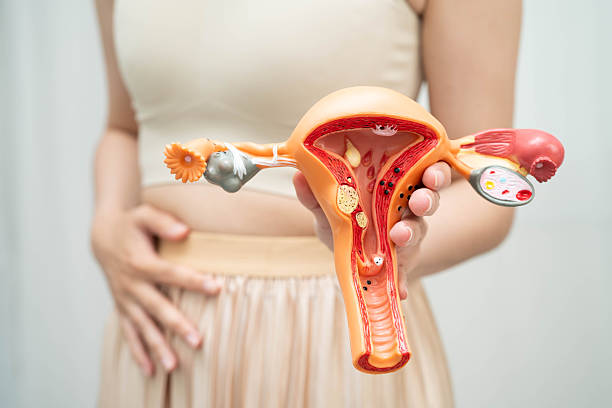
Hormonal and reproductive health plays a vital role in a woman’s overall wellbeing at every stage of life. From puberty and menstrual cycles to fertility, pregnancy, and menopause, hormonal changes can influence both physical and emotional health. While some changes are a normal part of life, others may indicate an underlying condition that needs medical attention.
Many women delay seeing a doctor, often assuming symptoms are “just hormonal” or something they have to live with. However, recognizing when to consult a GP can make a significant difference to long-term health outcomes.
At Life Medical Clinic, women are supported with comprehensive, patient-centred care. This guide explains when women should see a GP for hormonal and reproductive health concerns, common symptoms to look out for, and how early intervention can help.
Why Hormonal & Reproductive Health Matters
Hormones act as messengers in the body, regulating processes such as metabolism, mood, sleep, menstrual cycles, and fertility. When hormones are balanced, the body generally functions smoothly. When they’re not, even small imbalances can affect daily life.
Reproductive health is closely connected to hormonal health. Conditions affecting the ovaries, uterus, thyroid, or adrenal glands can lead to symptoms that impact physical comfort, mental health, and quality of life.
Visiting a trusted women’s health GP in Sydney enables early assessment of concerns, thorough investigation of symptoms, and care tailored to individual needs.
When Should Women See a GP for Hormone Issues
Hormonal issues don’t always present clearly, and symptoms can vary widely between women. Some signs are subtle, while others are disruptive and persistent.
Women should consider booking an appointment with a GP if symptoms:
- Are ongoing or worsening
- Affect daily functioning or emotional wellbeing
- Interfere with menstrual cycles, fertility, or sleep
- Feel different from their usual hormonal patterns
Early assessment can help rule out medical conditions and provide reassurance or treatment where needed.
Common Hormone Imbalance Symptoms
Hormonal imbalances can present in many ways. Some of the most common hormone imbalance symptoms include:
- Irregular, heavy, or painful periods
- Missed periods or unexpected bleeding
- Persistent fatigue or low energy
- Unexplained weight gain or difficulty losing weight
- Acne, excess facial or body hair, or hair thinning
- Mood swings, anxiety, or low mood
- Reduced libido
- Sleep disturbances
- Hot flushes or night sweats
While occasional changes may be normal, persistent symptoms should be discussed with a GP to identify possible causes.
Menstrual Concerns That Warrant a GP Visit
Menstrual cycles are often the first indicator of hormonal health. Women should see a GP if they experience:
- Periods lasting longer than 7–8 days
- Bleeding between periods
- Severe cramps affecting work or daily life
- Periods that suddenly stop or become very irregular
- Symptoms that worsen over time
A GP can assess whether symptoms are linked to hormonal imbalance, reproductive conditions, or other health issues.
PCOS and When to See a GP
Polycystic Ovary Syndrome (PCOS) is one of the most common hormonal conditions affecting women health and reproductive age. Many women seek a PCOS GP Australia wide for diagnosis and ongoing management.
Common symptoms of PCOS include:
- Irregular or absent periods
- Difficulty falling pregnant
- Excess hair growth on the face or body
- Acne or oily skin
- Weight gain or insulin resistance
A GP can assess symptoms, organize appropriate investigations, and support long-term management through lifestyle guidance and medical care where needed.
Fertility and Reproductive Planning
Women may consider seeing a GP when:
- Trying to conceive for 12 months (or 6 months if over 35)
- Experiencing irregular ovulation or cycles
- Planning pregnancy and wanting pre-conception advice
- Managing conditions that may affect fertility
A women’s health GP can provide guidance on cycle tracking, lifestyle factors, and referral for further care if required.
Hormonal Changes During Perimenopause and Menopause
Perimenopause and menopause mark significant hormonal transitions. Many women benefit from seeing a menopause GP NSW residents rely on when symptoms affect daily life.
Common menopausal symptoms include:
- Hot flushes and night sweats
- Mood changes or irritability
- Sleep disturbances
- Brain fog or memory changes
- Vaginal dryness
- Changes in libido
While menopause is a natural stage of life, symptoms can often be managed effectively with the right medical support.
Mental Health and Hormonal Balance
Hormonal changes can influence emotional wellbeing. Anxiety, low mood, irritability, and reduced motivation may sometimes be linked to hormonal fluctuations rather than purely psychological causes.
A GP can help assess whether mental health symptoms may be influenced by hormonal changes and provide holistic care that considers both physical and emotional health.
When Symptoms Affect Daily Life
Regardless of age, women should see a GP when symptoms begin to interfere with:
- Work or study
- Relationships
- Sleep quality
- Physical comfort
- Emotional wellbeing
You don’t need to “wait it out” or tolerate ongoing discomfort. Early support can help prevent symptoms from becoming more disruptive.
What to Expect When Seeing a Women’s Health GP
A GP appointment for hormonal or reproductive concerns may include:
- A detailed medical and menstrual history
- Discussion of symptoms and lifestyle factors
- Physical examination if appropriate
- Blood tests or imaging referrals if needed
- A personalised management plan
At Life Medical Clinic, care is approached with sensitivity, respect, and a focus on long-term wellbeing.
Women looking for a trusted women’s health GP Sydney can access a broad range of general and women’s health services tailored to their needs.
Ongoing Care and Preventive Health
Hormonal and reproductive health isn’t just about treating symptoms. Regular GP visits allow women to:
- Monitor changes over time
- Address concerns early
- Review contraception options
- Manage chronic conditions
- Receive preventive health screening
Building a relationship with a GP supports continuity of care across different life stages.
Supporting Women’s Health at Every Stage
Hormonal and reproductive health concerns are common, but they shouldn’t be ignored. Whether you’re managing cycle changes, fertility planning, PCOS, or menopause, seeing a GP can provide clarity, reassurance, and support.
At Life Medical Clinic, women are supported with comprehensive general practice care tailored to their health needs at every life stage.
If symptoms feel persistent, disruptive, or simply “not right,” Contact Us to book an appointment with a GP and take a positive step towards better health and wellbeing.
Frequently Asked Questions
How do I know if my symptoms are hormonal?
Hormonal symptoms often involve changes in periods, mood, sleep, skin, or energy levels. A GP can assess symptoms and organise tests if needed.
Do I need a referral to see a women’s health GP?
No referral is required to see a GP. Your GP can provide referrals to specialists if necessary.
Can a GP help with menopause symptoms?
Yes. A GP can assess symptoms, provide advice, and discuss management options suited to individual needs.
Is it normal to have irregular periods?
Occasional irregularity can be normal, but persistent or sudden changes should be assessed by a GP.
When should I see a GP for fertility concerns?
If you’ve been trying to conceive without success or have irregular cycles, that the time when speaking with a GP for guidance is needed.