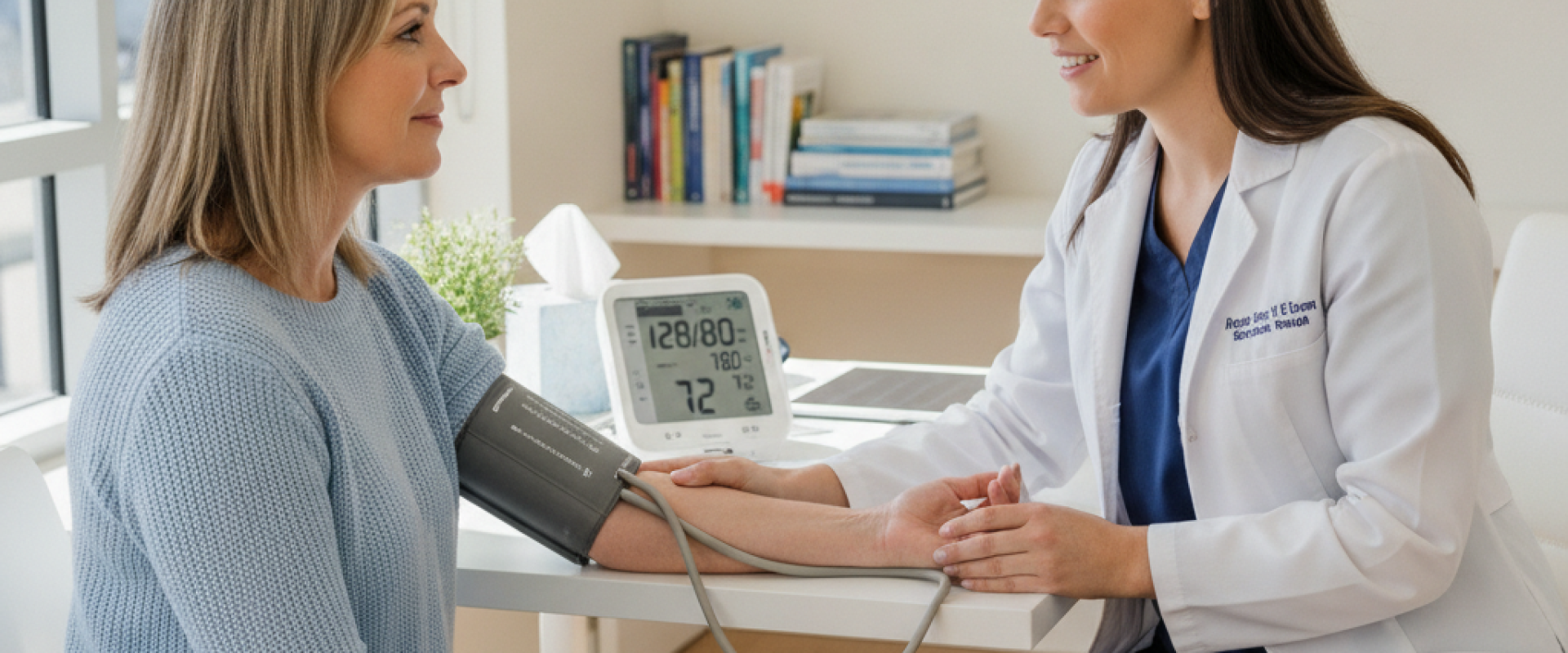
Understanding the nuances of high vs low blood pressure dangers is crucial for maintaining optimal health. While both hypotension (low blood pressure) and hypertension (high blood pressure) pose risks, hypertension is often considered more perilous due to its silent progression and potential for long-term organ damage. This article will explore the distinct warning signs and blood pressure dangers associated with both conditions, highlighting why regular blood pressure checks at clinics like Life Medical Clinic Waterloo, NSW, are vital for early detection and proactive management.
Key Takeaways
- While both low (hypotension) and high (hypertension) blood pressure can be serious, hypertension is generally considered more dangerous due to its silent nature and long-term, often irreversible damage to vital organs.
- Regular blood pressure checks are crucial for early detection, especially for high blood pressure which often shows no symptoms until complications arise.
- If you experience symptoms like sudden dizziness, fainting, severe headaches, chest pain, or blurred vision, seek prompt medical attention at Life Medical Clinic – Waterloo.
High Vs Low Blood Pressure Dangers
Blood pressure is a fundamental indicator of your overall cardiovascular health. It measures the force your blood exerts against the walls of your arteries as your heart pumps it around your body. Understanding your blood pressure readings is vital for maintaining good health, particularly as we head into the cooler months in Australia when our bodies can experience additional strain.
A typical blood pressure reading consists of two numbers: the systolic pressure (the top number), which measures the pressure in your arteries when your heart beats, and the diastolic pressure (the bottom number), which measures the pressure when your heart rests between beats. Both numbers play a critical role in assessing your risk for various health conditions. New research to determine link between high blood pressure and gut health | Heart Foundation sets this out in more detail.
At Life Medical Clinic – Waterloo, NSW, our experienced GPs regularly monitor and discuss blood pressure readings with patients. We believe in proactive healthcare, helping residents of Waterloo, Bexley, Botany, and surrounding inner-south Sydney suburbs stay informed about their health.
What Do the Numbers Mean?
Normal blood pressure is generally considered to be around 120/80 mmHg. However, these numbers can fluctuate based on age, activity level, stress, and other factors. It’s not just about a single reading; your GP will look at trends over time.
- Normal: Less than 120/80 mmHg
- Elevated: Systolic between 120-129 mmHg and diastolic less than 80 mmHg
- Hypertension Stage 1: Systolic between 130-139 mmHg or diastolic between 80-89 mmHg
- Hypertension Stage 2: Systolic 140 mmHg or higher or diastolic 90 mmHg or higher
- Hypertensive Crisis: Systolic higher than 180 mmHg and/or diastolic higher than 120 mmHg (requires urgent medical attention)
Low blood pressure, or hypotension, is generally defined as readings below 90/60 mmHg. While some people naturally have low blood pressure with no ill effects, it can sometimes indicate an underlying issue or cause concerning symptoms, raising the question of blood pressure dangers associated with low readings.
Hypertension: The Silent Killer
High blood pressure, or hypertension, is often referred to as the “silent killer” because it typically has no noticeable symptoms in its early stages. Many people live with high blood pressure for years without knowing it, while the condition slowly damages their cardiovascular system and other vital organs.
In our experience, the long-term effects of uncontrolled hypertension can be severe and irreversible. Consistent high pressure on artery walls leads to hardening and narrowing of the arteries, known as atherosclerosis. This significantly increases the risk of serious health complications, making hypertension a major public health concern in Australia. These are among the most serious blood pressure dangers.
Risks and Complications of High Blood Pressure
The blood pressure dangers of hypertension stem from the constant strain it places on your body. Over time, this strain can lead to a cascade of health problems:
- Heart Attack and Stroke: Hardened arteries can block blood flow to the heart or brain, leading to life-threatening events.
- Heart Failure: The heart has to work harder to pump blood, eventually weakening and failing.
- Kidney Disease: High blood pressure can damage the blood vessels in the kidneys, impairing their ability to filter waste.
- Vision Loss: Delicate blood vessels in the eyes can be damaged, potentially leading to blurred vision or blindness.
- Peripheral Artery Disease: Reduced blood flow to the legs and arms can cause pain and numbness.
- Dementia: Hypertension is linked to cognitive decline and vascular dementia due to reduced blood flow to the brain.
These complications highlight why regular monitoring and management of high blood pressure are absolutely critical. Catching it early can prevent or delay these serious outcomes. This underscores the significant blood pressure dangers associated with hypertension.
Warning Signs of a Hypertensive Crisis
While chronic hypertension is often asymptomatic, a sudden, severe spike in blood pressure (a hypertensive crisis) can manifest with distinct warning signs. If you experience any of these, we advise you to seek urgent medical care:
- Severe headache
- Sudden blurred vision or other vision changes
- Chest pain or discomfort
- Shortness of breath
- Numbness or weakness in one side of the body
- Difficulty speaking
- Nosebleeds that are difficult to stop
For residents in Waterloo, Sydney, or nearby areas, if you suspect a hypertensive crisis, we recommend calling 000 immediately or proceeding to the nearest emergency department. For less urgent concerns, our team at Life Medical Clinic – Waterloo is here to help manage your blood pressure.
Concerned About Your Blood Pressure Readings?
Gain peace of mind with a bulk-billed blood pressure check-up. Our experienced GPs offer clear explanations and personalised advice to keep your cardiovascular health on track.
High blood pressure is a silent threat because it rarely presents symptoms until it’s already caused significant damage. This makes regular check-ups and early intervention absolutely critical for long-term health.
Hypotension: When Low Blood Pressure Becomes a Concern
Low blood pressure, or hypotension, is often less concerning than hypertension, but it can still pose significant risks, especially if it leads to inadequate blood flow to vital organs. For some individuals, a naturally low blood pressure is normal and causes no issues. However, when blood pressure drops too low, it can lead to symptoms that impact daily life and, in severe cases, be life-threatening.
The danger of hypotension primarily comes from its immediate symptoms, such as dizziness and fainting, which can lead to falls and injuries. Prolonged or severe hypotension can also result in organ damage due to insufficient blood supply. Understanding the potential blood pressure dangers of both high and low readings is crucial for proactive health management.
Causes and Symptoms of Low Blood Pressure
Hypotension can be caused by various factors, ranging from simple dehydration to more serious underlying conditions:
- Dehydration: Not drinking enough fluids can reduce blood volume.
- Heart Conditions: Certain heart problems, like a very slow heart rate or heart failure, can reduce the heart’s pumping ability.
- Endocrine Problems: Thyroid issues, adrenal insufficiency, and low blood sugar can all affect blood pressure.
- Severe Infection (Septic Shock): A life-threatening infection can cause a dramatic drop in blood pressure.
- Allergic Reaction (Anaphylaxis): A severe allergic reaction can cause a rapid and dangerous drop in blood pressure.
- Blood Loss: Significant injury or internal bleeding can lead to a sudden decrease in blood volume.
- Medications: Diuretics, certain heart medications, and drugs for erectile dysfunction can lower blood pressure.
- Nutritional Deficiencies: Lack of B12 or iron can lead to anaemia, which can cause hypotension.
Symptoms of low blood pressure often appear suddenly and can include:
- Dizziness or lightheadedness
- Fainting (syncope)
- Blurred vision
- Nausea
- Fatigue or weakness
- Lack of concentration
- Cold, clammy, pale skin
- Rapid, shallow breathing (in severe cases)
If you experience persistent or severe symptoms of hypotension, it’s important to consult your GP at Life Medical Clinic – Waterloo to determine the underlying cause and appropriate treatment.
Which Blood Pressure is More Dangerous?
When comparing the blood pressure dangers of low versus high readings, high blood pressure (hypertension) generally poses a greater long-term risk to health. This is primarily because hypertension often develops silently over many years, causing progressive damage to the heart, brain, kidneys, and other organs without any obvious symptoms. By the time symptoms appear, significant and sometimes irreversible damage may have already occurred.
Low blood pressure, while uncomfortable and potentially dangerous if it causes fainting or falls, typically presents with immediate symptoms that prompt individuals to seek medical attention. This often allows for earlier diagnosis and treatment of the underlying cause, preventing prolonged organ damage.
However, it is crucial to remember that both conditions require medical attention if they are causing symptoms or if readings are consistently outside the healthy range. A sudden, severe drop in blood pressure can be just as life-threatening as a hypertensive crisis, making the assessment of blood pressure dangers a critical health consideration.
The Importance of Regular Blood Pressure Checks, Especially in Winter
Regular blood pressure checks are one of the simplest yet most powerful tools for preventive healthcare. These quick, painless assessments can detect issues early, allowing for timely intervention before serious complications arise. This is particularly relevant during the Australian winter months, when blood pressure dangers can be heightened.
In our experience, cold weather can put extra strain on the cardiovascular system. Blood vessels tend to narrow in response to cold, which can increase blood pressure. This physiological response means that individuals already at risk for hypertension, or those managing existing heart conditions, may find their blood pressure harder to control during winter. Respiratory illnesses, common in winter, can also indirectly affect cardiovascular health.
At Life Medical Clinic – Waterloo, we encourage all our patients, especially those in Waterloo, NSW and surrounding suburbs like Zetland and Alexandria, to prioritise their annual health check-ups. A quick five minutes with your GP could identify a potential problem and keep you out of hospital this winter.
What to Expect at Your GP Visit
Visiting your GP for a blood pressure check and general health assessment is straightforward. Here’s what you can expect:
- Discussion of Your Health History: Your GP will ask about your lifestyle, family medical history, and any symptoms you might be experiencing.
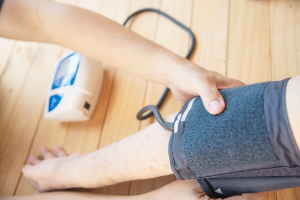
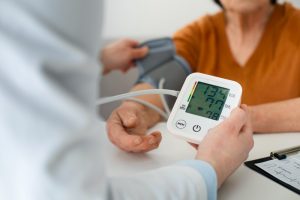
- Blood Pressure Measurement: A simple cuff will be placed around your arm to take a reading. Your GP may take a few readings to ensure accuracy.
- Physical Examination: This may include listening to your heart and lungs, and checking your pulse.
- Risk Factor Assessment: Your GP will evaluate other risk factors for heart disease, such as cholesterol levels, blood sugar, and weight.
- Personalised Advice: Based on your results, your GP will provide tailored advice on lifestyle modifications (diet, exercise, stress management) and, if necessary, discuss medication options.
- Referrals: If further investigation is needed, your GP can refer you to external specialists when clinically appropriate or for additional tests.
Life Medical Clinic – Waterloo offers bulk-billed GP visits for eligible services, making it easier for you to access essential healthcare. We also provide in-clinic flu immunisations to protect you and your family throughout the winter season.
Managing Blood Pressure: Lifestyle and Medical Approaches
Whether you’re dealing with high or low blood pressure, effective management involves a combination of lifestyle adjustments and, when necessary, medical intervention. Your GP at Life Medical Clinic – Waterloo will work with you to develop a personalised plan.
Lifestyle Strategies for Healthy Blood Pressure
Many lifestyle changes can significantly impact your blood pressure readings, often reducing the need for medication or enhancing its effectiveness:
- Balanced Diet: Focus on a diet rich in fruits, vegetables, whole grains, and lean proteins. Reduce sodium intake for high blood pressure, and ensure adequate hydration for low blood pressure.
- Regular Exercise: Aim for at least 30 minutes of moderate-intensity exercise most days of the week. This strengthens your heart and improves circulation.
- Maintain a Healthy Weight: Losing even a small amount of weight can have a positive impact on blood pressure.
- Limit Alcohol and Caffeine: Excessive consumption of either can affect blood pressure.
- Quit Smoking: Smoking significantly damages blood vessels and increases the risk of heart disease, contributing to blood pressure dangers.
- Stress Management: Practise relaxation techniques like yoga, meditation, or deep breathing to help manage stress levels.
For over-the-counter relief for minor symptoms related to blood pressure fluctuations (e.g., mild dizziness from dehydration), your local pharmacy partners in Waterloo, Sydney can offer advice. However, always discuss any new symptoms or changes with your GP first.
When to Consult Your GP for Blood Pressure Concerns
It’s important to know when to seek professional medical advice for blood pressure issues. Do not hesitate to book an appointment with your GP if:
- You have consistently high blood pressure readings (above 130/80 mmHg).
- You experience frequent symptoms of low blood pressure, such as dizziness or fainting.
- You have a family history of heart disease or stroke.
- You are concerned about your current blood pressure medication or side effects.
- You are pregnant, as blood pressure management is crucial during pregnancy.
Your GP can provide accurate diagnosis, monitor your condition, and prescribe appropriate treatments, including antivirals for certain respiratory illnesses if needed, ensuring comprehensive care. Remember, managing your blood pressure and understanding blood pressure dangers is an ongoing partnership between you and your healthcare provider.
Frequently Asked Questions
Can I check my blood pressure at home?
In our experience, home blood pressure monitors are widely available and can be very useful for tracking your readings between GP visits. Ensure you use a validated device and follow your GP’s instructions on how and when to take measurements for the most accurate results. Bring your readings to your appointments at Life Medical Clinic – Waterloo to discuss any potential blood pressure dangers.
What is a healthy blood pressure for my age?
While 120/80 mmHg is generally considered ideal, what’s “healthy” can vary slightly with age and individual health conditions. Your GP will assess your overall health, medical history, and risk factors to determine your optimal blood pressure range. It’s always best to discuss this with a healthcare professional at Life Medical Clinic – Waterloo, especially regarding blood pressure dangers.
Is it normal for blood pressure to fluctuate?
Yes, blood pressure naturally fluctuates throughout the day due to factors like activity, stress, diet, and medication. However, significant or consistent fluctuations outside the normal range should be investigated by your GP. Occasional spikes or drops are usually harmless, but persistent issues need attention to avoid potential blood pressure dangers.
Can stress affect my blood pressure?
Absolutely. Acute stress can cause temporary spikes in blood pressure. Chronic stress, if not managed, can contribute to long-term hypertension. Learning stress management techniques is an important part of maintaining healthy blood pressure and overall well-being. Discuss stress reduction strategies with your GP to mitigate these blood pressure dangers.
When should I see a GP urgently for blood pressure issues?
Seek urgent medical care if you experience symptoms like sudden severe headache, chest pain, shortness of breath, blurred vision, numbness/weakness on one side, or fainting. These could indicate a hypertensive crisis or severe hypotension, highlighting significant blood pressure dangers. For residents in Waterloo, NSW, and surrounding areas, Life Medical Clinic – Waterloo is equipped to assess and manage these concerns.
Related resources
- Can Giving 6 Vials of Blood Make You Tired? Understanding Fatigue After Blood Tests
- Mental Health Care Plans in Waterloo
- HIGH BLOOD PRESSURE VS LOW BLOOD PRESSURE
- Managing Diabetes, Blood Pressure & Cholesterol with a Holistic GP
- Why Is Blood Pressure Monitoring Important in Diabetes
- 5 Natural Ways to Lower Blood Pressure
- Getting Your Blood Drawn; What You Need to Know
Get Personalised Advice on Blood Pressure
Secure your cardiovascular well-being with tailored guidance. Our experienced GPs at Life Medical Clinic – Waterloo offer comprehensive care and expert advice to help you understand and manage blood pressure dangers effectively.